Federal prosecutors charged a 35-year-old OpenAI engineer, Saudi national Abdulrahman Alfozan, with using a device to intercept oral communications. He was arrested Friday, 9 October 2026, and OpenAI terminated him. The company says it found a hidden recorder in an office and reported it to the FBI.
What happened
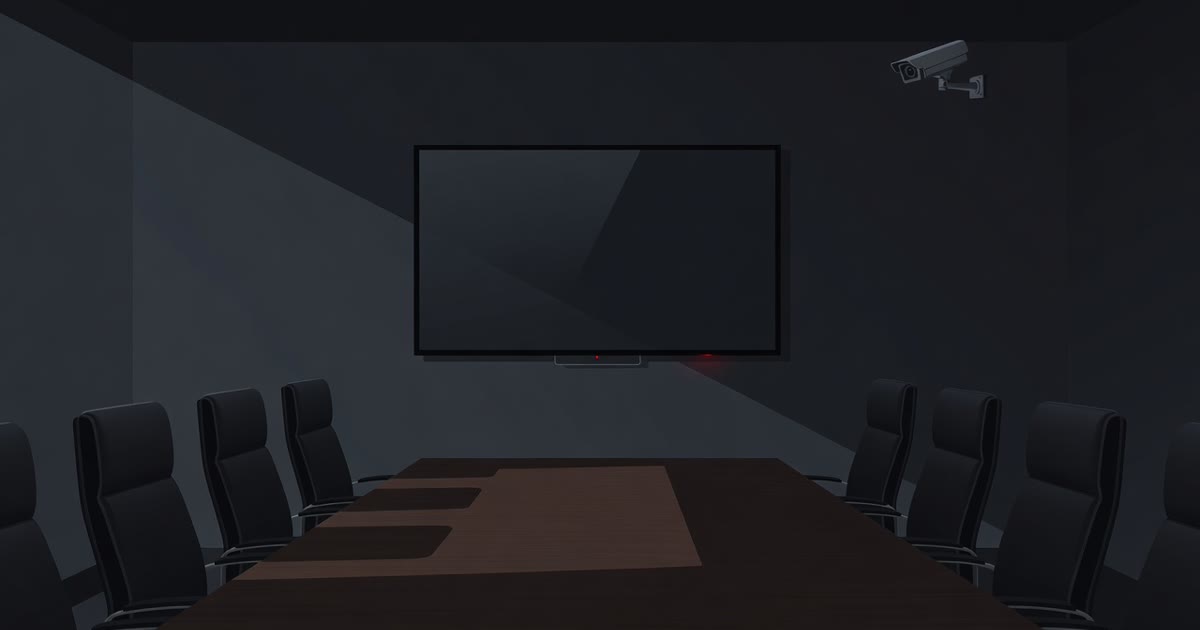
SecurityWeek, citing the criminal complaint, says the device was found on 30 September concealed in toilet paper and plugged into a USB port on the back of a television in a conference room. The complaint says CCTV showed Alfozan near that room on several occasions last month even though he had no authority to access the space.
TechCrunch reported that prosecutors say the device was inserted into the TV USB port, and that OpenAI told the outlet the device had audio monitoring and a way to move data designed to evade monitoring. The Verge reported OpenAI used its own models to identify which employee had planted it. Contents of the device were described as encrypted. A second recorder was reportedly found in a bag left in another room, along with a wallet and ID.
Who is affected
- This is an OpenAI insider case, not a customer-software flaw. OpenAI customers are not named as victims.
- Any company that holds design, pricing, or customer discussions in rooms with USB-powered displays has the same physical exposure.
- The charge is interception of oral communications, filed in federal court in San Francisco. Alfozan remained in custody after a first appearance on Tuesday.
What to do now
Walk executive and board rooms this week. Check USB ports on displays, conference phones, and unused network drops. Badge access to those rooms should match who is actually booked to be there. A software EDR agent will not see a recorder plugged into a television.
Source: SecurityWeek, Employee Arrested After Listening Device Found in OpenAI Conference Room.
Also on the blog
Next step: If this is on your network or a client's, ask Matthews Enterprises to check exposure.